Unveiling the Truth: Is Cider a Fast Fashion Brand?
Is Cider fast fashion? See what Cider says, how Good On You rates it, and why its drops, prices, sourcing, and supply-chain gaps fit fast fashion.

Quick AnswerYes, Cider is a fast fashion brand. It runs trend-driven drops, ultra-low pricing, and on-demand manufacturing in Guangzhou, China, similar to Shein and Zara.
Cider is fast fashion. Its sustainability page, third-party ratings, and shopping model point to trend-led drops with limited supply-chain proof.
- Cider is a fast fashion brand by every working definition: weekly drops, sub-$20 prices, trend-chasing designs, and opaque suppliers
- Cider’s “smart fashion” pitch is a small-batch test-and-scale model, not a sustainability fix
- Most clothing is made in Guangzhou by undisclosed partner factories, with no public audit reports
- Good On You rates Cider in the bottom tier for environment, labor, and animal welfare
- Resale platforms, Patagonia, Eileen Fisher, and other slow-fashion brands are concrete alternatives if you want out
#The Working Definition of Fast Fashion
Fast fashion is cheap, trend-led clothing pushed from sketch to checkout in weeks instead of seasons. Traditional brands ran two to four collections a year. The fast fashion playbook turned that into a constant stream of micro-drops, where speed and price beat fabric quality and labor protections.
According to Wikipedia’s fast fashion entry, the term took hold in the 1990s when Zara compressed its design-to-shelf timeline to roughly 15 days and forced the rest of the industry to chase the same speed. The category now covers everything from H&M and Uniqlo on the high street to digital-native players like Shein, Cider, and Boohoo.
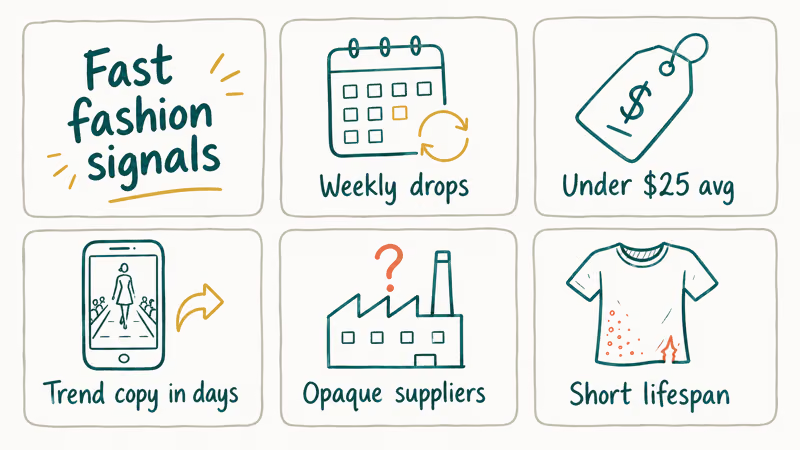
A few signals separate fast fashion from the rest of the industry:
- New styles arriving weekly or daily, not seasonally
- Sub-$25 average price points across most categories
- Designs that copy or remix runway and influencer trends within days
- Limited transparency on factories, wages, and certifications
- Short garment lifespan, with quality complaints clustering around fabric and stitching
If a retailer hits four of those five, it lives inside fast fashion. Cider hits all five. The UN Environment Programme confirms that the apparel sector overall is the second-largest consumer of water worldwide and a major driver of textile waste.
For background on the broader category, our deep dive on whether Shein is legit walks through the same playbook from a sourcing and shipping angle.
#Why Is Cider Considered Fast Fashion?
Cider is considered fast fashion because the brand’s own model fits the definition with very few caveats. Its public catalog emphasizes frequent new arrivals, low prices, and trend tags like “Y2K,” “coquette,” and “soft girl” assigned to entire micro-collections.
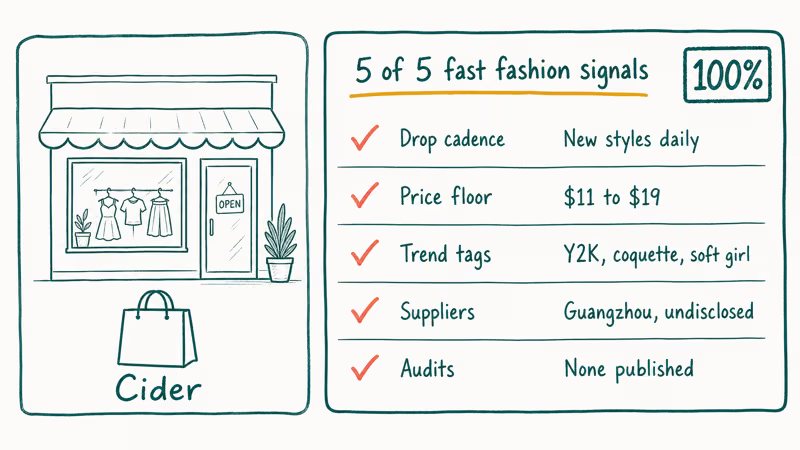
A handful of specifics from the public pages:
- Drop cadence: Cider’s “New In” filter lists fresh styles every day, with weekly featured drops promoted on Instagram
- Price floor: dresses, tops, and graphic tees frequently land between $11 and $19, with site-wide promo codes stacked on top
- Supplier base: Cider’s About page describes a Guangzhou supply chain and a “smart fashion” model that scales orders based on early demand
- Material disclosure: most product pages list a single fabric blend (e.g., “95% polyester, 5% spandex”) with no factory, country-of-origin certificate, or auditor named
Cider’s shipping flow is in line with the timelines documented in our Is Cider legit review. Items that are not part of a labeled sustainability capsule should not be treated as recycled-material or Fair Trade products unless the product page says so.
If you want a side-by-side, our Cider vs Shein comparison shows how the two brands trade blows on price, sizing, and shipping.
#How Does Cider’s Smart-Fashion Supply Chain Work?
Cider’s supply chain runs on small initial batches, real-time sales data, and rapid restocks. The brand calls this “smart fashion.” Cider’s official sustainability page states that the model is designed to reduce overstock by producing in lower quantities first and scaling up only when a style sells, with first runs typically under 200 units before the data decides what to restock.
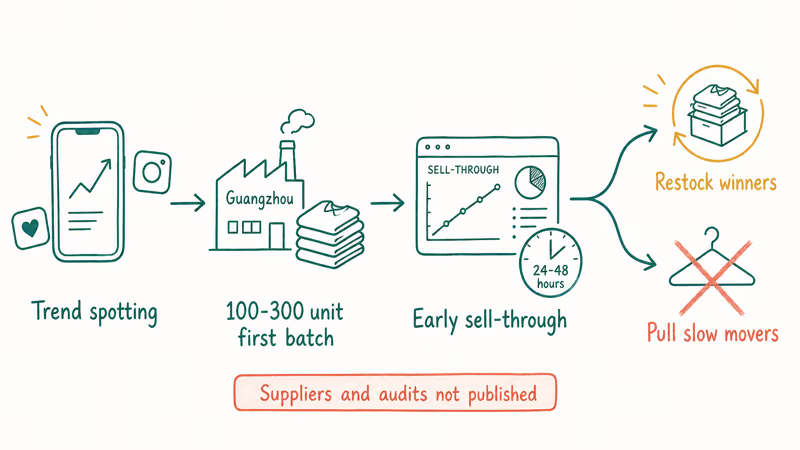
Here is how a typical Cider order moves:
- Designers and trend forecasters identify a viral aesthetic on TikTok or Instagram
- A partner factory in Guangzhou produces a small first batch (often 100-300 units)
- Cider lists the style and tracks early sell-through within 24-48 hours
- Successful styles trigger restock orders. Slow movers are pulled before producing waste
That sounds tidy on paper. The trade-offs show up where the page goes quiet:
- Supplier names, locations, and audit reports are not published
- Worker wages and hours are not disclosed
- The recycled-material capsules represent a small slice of the catalog, not the default
- There is no third-party verification for the “less waste” claims
Cider recommends pre-orders and curated drops as a way to “shop slower,” but the home page still pushes “limited-time” countdown timers that nudge impulse buying. According to Good On You’s brand directory, Cider scores in the lowest tier across environment, labor, and animal categories, and the directory notes that the brand does not provide enough information to verify its supply-chain claims.
#What Cider’s Sustainability Page Actually Says
Cider’s sustainability claims are partly real and largely unverified. The brand does run capsule collections labeled with recycled polyester or deadstock fabric, and the test-and-scale production model truly cuts down on the worst overstock waste. The bigger problems are scope and proof.
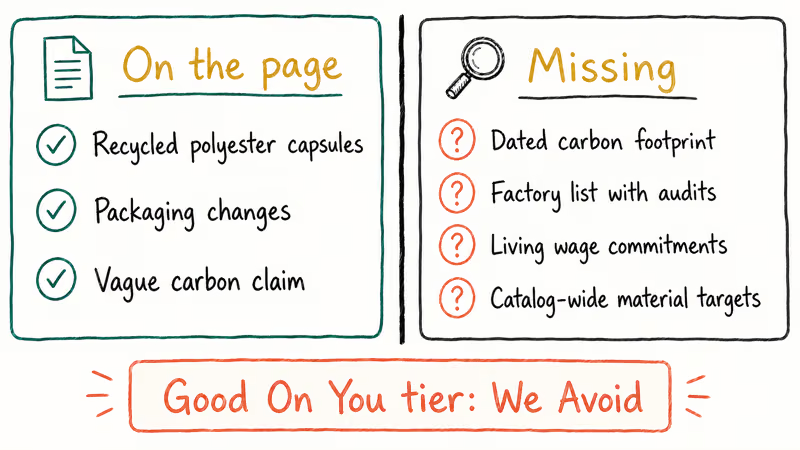
Cider’s sustainability page lists packaging changes, recycled-material capsules, and a broad “fewer carbon emissions” claim. What is missing:
- A dated carbon footprint figure, even a rough one
- A factory list with audit dates
- Living wage commitments tied to specific suppliers
- Clear targets for transitioning the full catalog to lower-impact materials
Good On You, which rates fashion brands on environment, labor, and animal welfare, places Cider in its “We Avoid” tier. The directory states that Cider scores in the bottom 1 of 5 brand tiers across all three pillars, and the Good On You team explicitly notes that brands in this tier have made few or no concrete commitments and lack transparency.
For comparison, Patagonia and Eileen Fisher publish factory addresses, audit summaries, and material-by-material progress reports. That’s the bar for “actually sustainable,” and Cider doesn’t clear it yet.
#Cider Compared With Other Fast Fashion Brands
Cider sits in the same neighborhood as Shein and Boohoo, with a slightly more curated catalog and a heavier social-media playbook. The differences are smaller than the marketing suggests.
| Brand | Average price | Drop cadence | Recycled materials | Public factory list | Good On You tier |
|---|---|---|---|---|---|
| Cider | $11-$19 | Daily | Capsule only | No | We Avoid |
| Shein | $7-$15 | Daily | Limited capsules | No | We Avoid |
| H&M | $15-$40 | Weekly | Conscious line | Yes | Not Good Enough |
| Zara | $25-$80 | Weekly | Join Life line | Partial | Not Good Enough |
| Patagonia | $45-$300 | Seasonal | Default | Yes (with audits) | Great |
A few things stand out from the public evidence:
- H&M and Zara, despite being the original fast fashion blueprint, publish more supply-chain data than Cider does
- Boohoo, Shein, and Cider sit in the same opaque cluster, where third-party rating sites can’t verify most claims
- The “Great” tier on Good On You is dominated by slow fashion and resale brands, not retooled fast-fashion players
Cider’s product photography and styling may look more polished than cheaper fast-fashion rivals, but that does not change the fundamentals. If you want a deeper view of an even-cheaper rival, our Emmiol fast fashion analysis covers the same questions for that brand.
#A Realistic Plan to Step Back From Fast Fashion
You can step back from fast fashion without giving up style. The cleanest path is to mix a small wardrobe of durable basics with secondhand finds, and to be honest about which categories are worth paying more for.
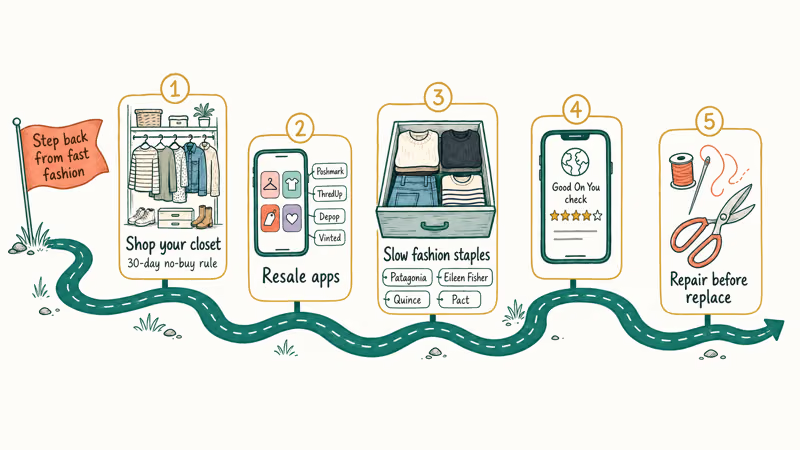
Practical moves:
- Shop your closet first. Make a 30-day “no buy” rule on any category you already own three or more of.
- Use resale apps for trend pieces. Poshmark, Depop, ThredUp, and Vinted carry Cider, Shein, and Zara items at 30-60% off retail. Our thredUP vs Poshmark breakdown covers which works best for which categories.
- Buy slow fashion for staples. Patagonia, Eileen Fisher, Quince, and Pact hold up to repeated washes and last multiple seasons.
- Check the Good On You app before buying. It rates 3,000+ brands on environment, labor, and animal welfare in seconds.
- Repair before replacing. A $5 sewing kit and a $20 trip to a tailor save more clothing than any sustainability capsule does.
The honest caveat: any slow-fashion plan only works if you actually wear what you already own. Replacing impulse buys with resale and durable basics helps most when it reduces total purchases, not when it becomes a second shopping habit.
If your starting point is “I want cheap trend pieces and I’m not ready to quit,” shopping resale for the brand you already like is a real harm-reduction step.
#Bottom Line
Cider is fast fashion. Treat the “smart fashion” pitch as a marketing claim until Cider publishes a supplier list, dated audits, and a real catalog-wide materials roadmap. If you already shop there, the highest-leverage change is to buy from Poshmark, ThredUp, or Vinted first when you spot a Cider piece you want. Save the new-from-Cider checkouts for items you can’t find secondhand, and skip the impulse-driven trend tees that hit landfill within a season.
#Frequently Asked Questions
Is Cider clothing good quality?
Cider’s quality is typical fast fashion. Thin polyester blends, light stitching, and short lifespans on stretchy items are the norm. Cotton basics and structured dresses tend to hold up better than graphic tees and bodysuits.
Where are Cider clothes made?
Cider’s clothing is made in Guangzhou, China, by partner factories the brand doesn’t name publicly. Cider’s About page confirms the Guangzhou base but stops short of releasing supplier names, audit reports, or country-of-origin labels per item. Buyers who want supply-chain transparency have to look elsewhere, because Cider treats this as commercially sensitive information rather than something it owes shoppers.
How long does Cider take to ship?
Standard Cider shipping to the US takes 6-10 business days from China. Expedited shipping runs 4-7 business days for an extra fee.
Can you return Cider clothes?
Yes, Cider accepts returns within 14 days of delivery on most items, with exclusions like swimwear, bodysuits, and final-sale clearance. Our Cider return policy guide covers the full process, the return shipping cost, and how the refund hits your card.
Is Cider cheaper than Shein?
Cider and Shein land in the same price band. Shein is usually 10-20% cheaper on equivalent basics, while Cider tends to invest more in styling and fabric weight.
Does Cider use ethical labor practices?
Cider’s site states that suppliers must follow a code of conduct prohibiting child and forced labor, but the brand doesn’t publish factory audits, wage data, or third-party verification. Without that evidence, ethical-fashion raters like Good On You score Cider in their lowest tier and treat the labor claims as unverified. The pattern matches Shein, Boohoo, and most digital-native fast-fashion brands that grew out of Guangzhou’s manufacturing cluster.
What are sustainable alternatives to Cider?
Sustainable alternatives include resale platforms like Poshmark, ThredUp, Depop, and Vinted, plus slow-fashion brands like Patagonia, Eileen Fisher, Pact, and Quince. Mixing resale with a small set of durable new pieces beats hunting for a “sustainable Cider” that doesn’t really exist.
How can I tell if a fashion brand is actually sustainable?
Look for four things before trusting any sustainability claim: a public supplier list with locations, dated third-party audits or certifications such as Fair Trade, B Corp, or GOTS, specific carbon and water targets with progress reports, and a Good On You or Remake rating in the upper tiers. Anything less is a marketing page rather than a verified track record.

Google Messages Error 3100: Why RCS Is Broken on Galaxy
Google Messages RCS error 3100 hits Galaxy owners after phone or carrier switches. Google told 9to5Google a fix is coming. Here's what actually helps.

Is This Bank App Real? Spot a Fake App on Your Home Screen
A bank app can land on your home screen from a web page with no install warning. Learn the checks that tell a real banking app from a phishing web app.
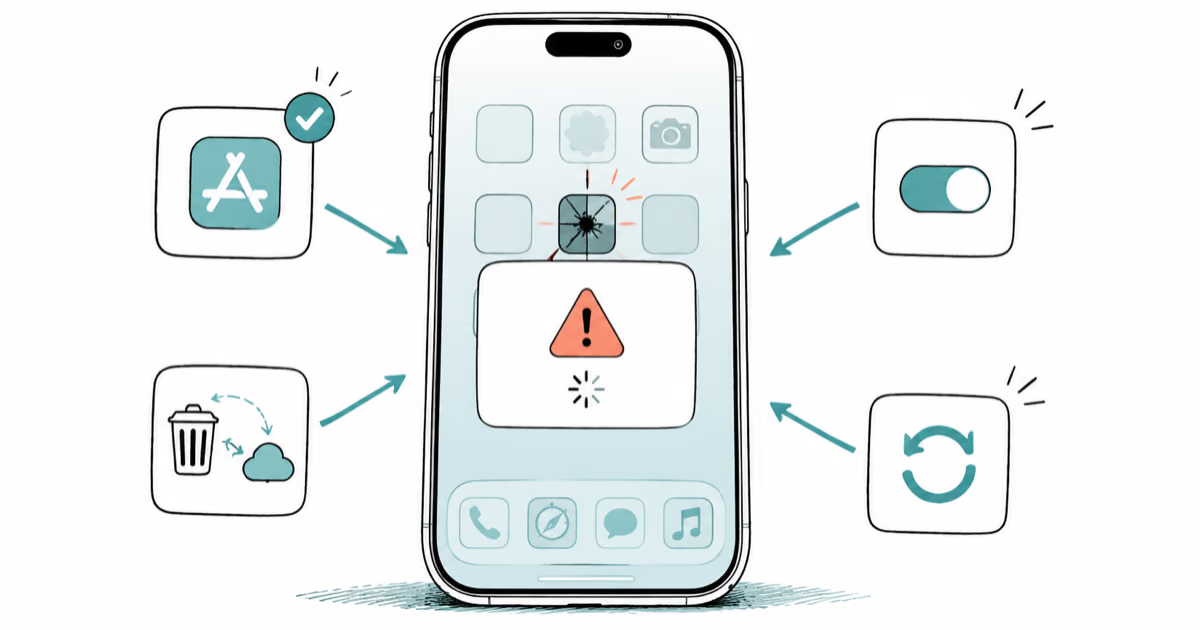
Apps Crashing After iOS 27 Update? Fix Order (2026)
Apps crashing after the iOS 27 update? Update the app in the App Store first, then offload and reinstall to clear stale cache, then restart. The fix order.

Do AI Translation Earbuds Work Offline? What to Know
Do AI translation earbuds work offline? A few do with downloaded language packs, but most need the cloud. Here's what works offline and what you give up.