Toaster.exe – What Is It & How to Fix High CPU Usage?
Learn what toaster.exe is on Dell computers, whether it is safe or malware, and how to fix common errors related to this process in Windows.

Quick AnswerToaster.exe is a legitimate Dell recovery and backup utility file associated with SoftThinks software. It is safe, but if it causes errors, you can disable it via Task Manager or uninstall the related Dell backup program.
Toaster.exe is a legitimate Dell backup utility that’s part of SoftThinks Agent Service. If you’re seeing high CPU usage or errors, it’s likely corrupted or infected with malware disguised as this process.
- Toaster.exe is a genuine Dell utility located at C:\Program Files\DellDataSafe LocalBackup, used for system backup and recovery functions
- Normal toaster.exe uses minimal system resources, but corrupted versions cause high CPU usage that slows your Dell computer noticeably
- Malware often disguises itself as toaster.exe, making it hard to identify without running a full antivirus scan
- You can disable the legitimate process through
Services>SoftThinks Agent Service>Startup Type>Disabled - SFC scan repairs corrupted system files including toaster.exe automatically within 10-15 minutes
#What Is Toaster.exe on Dell Systems?
Toaster.exe is Dell’s backup utility that runs as part of SoftThinks Agent Service on Dell computers.
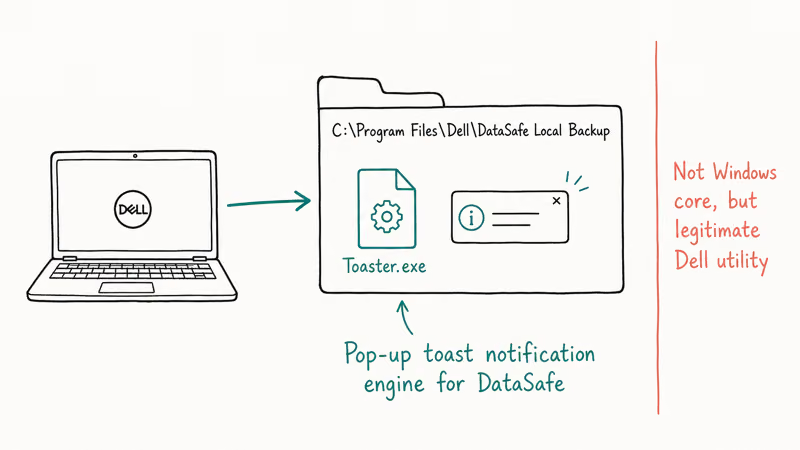
The legitimate file sits at C:\Program Files\DellDataSafe LocalBackup and normally uses very little memory during background backup activity, so you should barely notice it during regular computer use.
According to Dell’s official support documentation, this utility creates daily incremental backups and weekly full system backups by default.
The executable also handles notifications for backup status and system recovery options. Some Dell systems show it as part of the DataSafe Local Backup suite that came pre-installed from the factory, appearing automatically when you first boot your new computer.
Like other Windows system processes such as conhost.exe, toaster.exe runs quietly in the background.
When working properly, you’ll barely notice it’s running.
#Toaster.exe Safety and Malware Detection
The legitimate toaster.exe is completely safe and serves an important backup function. However, malware often disguises itself using this filename to avoid detection.
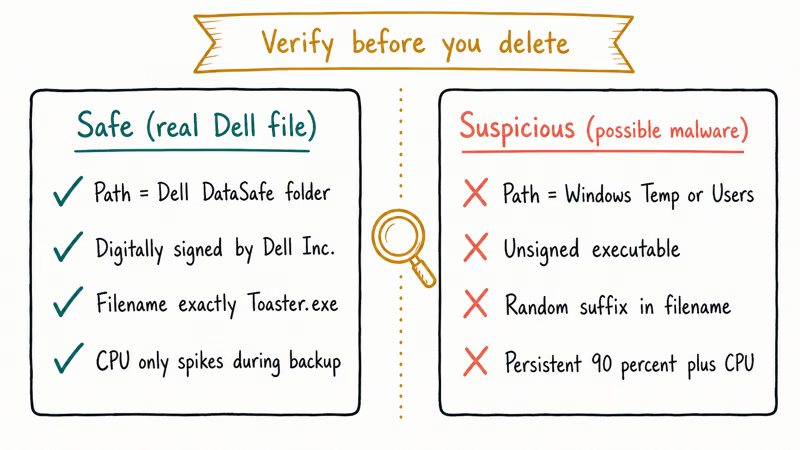
Genuine toaster.exe files should be digitally signed by Dell Inc. You can verify this by right-clicking the file, selecting Properties, then checking the Digital Signatures tab.
Malware variants typically lack proper digital signatures and consume significantly more system resources than legitimate versions.
According to Microsoft’s Windows Security guide, legitimate system files should always have valid digital signatures from trusted publishers.
Dell’s technical support forums consistently point to corrupted installation files and incomplete Windows updates as the most commonly reported causes of toaster.exe problems.
#Warning Signs of Malware Disguised as Toaster.exe
Watch for these red flags that indicate a malicious version:
File location: Real toaster.exe lives in C:\Program Files\DellDataSafe LocalBackup. If you find it elsewhere, it’s likely malware.
Resource usage: Legitimate versions use minimal CPU and memory. High usage indicates infection.
Missing digital signature from Dell Inc.
Network activity: Genuine toaster.exe doesn’t communicate with external servers frequently.
Windows Defender and other reputable antivirus tools can flag fake toaster.exe files during a full system scan.
#How to Fix High CPU Usage From Toaster.exe?
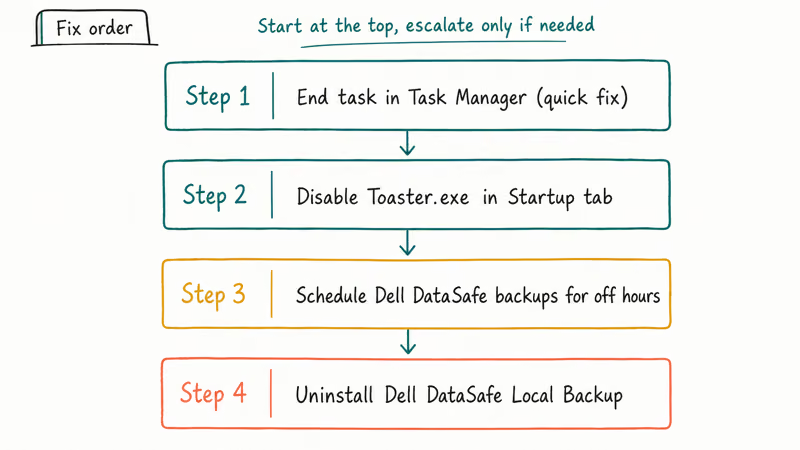
Start with disabling the SoftThinks Agent Service if toaster.exe is causing performance issues. This stops the backup process but won’t harm your system.
Important: Only perform these steps on your own Dell computer. Modifying system services on computers you don’t own without permission may violate workplace policies, terms of service agreements, or local privacy regulations.
Use these solutions in order.
#Method 1: Disable SoftThinks Agent Service
This method stops toaster.exe from running automatically at startup on Dell systems that still use SoftThinks Agent Service.
- Press Windows + R to open the Run dialog
- Type services.msc and press Enter
- Scroll down and find SoftThinks Agent Service
- Right-click it and select Properties
- Change Startup Type to Disabled
- Click Apply then OK
- Restart your computer to apply the changes
The process won’t auto-start anymore.
#Method 2: Run System File Checker
If toaster.exe is corrupted rather than malicious, Windows’ built-in SFC scan can repair it automatically.
According to Microsoft’s troubleshooting guide, this built-in utility scans protected system files and replaces corrupted versions with cached copies.
- Type cmd in the Start menu search and wait for Command Prompt to appear in the results
- Right-click Command Prompt and select Run as administrator from the context menu that appears
- Type sfc /scannow and press Enter to begin the system scan process
- Wait 10-15 minutes for the comprehensive scan to complete and you’ll see progress percentage updates
- Restart your computer when finished to ensure all repairs take effect properly
If toaster.exe problems come from corrupted Windows system files, SFC may repair the damaged files and restore normal operation after the scan and restart.
#Method 3: Check for Malware
If the above methods don’t work, scan your system for malware.
Run a full system scan with Windows Defender or your preferred antivirus software, making sure to enable deep scanning options that check inside compressed files and boot sectors where sophisticated malware often hides undetected. Focus on checking these locations where fake toaster.exe files commonly hide:
- C:\Windows\System32 (where many system executables live)
- C:\Users[Username]\AppData\Local\Temp (temporary files folder commonly used by malware)
- C:\ProgramData (hidden application data directory)
Real toaster.exe should only exist in C:\Program Files\DellDataSafe LocalBackup and nowhere else on your system. Files found in other locations are suspicious and should be immediately quarantined or deleted after running a full antivirus scan to verify they’re malicious.
For users experiencing network connectivity issues alongside toaster.exe problems, our guide on default gateway not available can help resolve related connection errors.
If you’re dealing with other Windows errors, check our related troubleshooting guides:
#Troubleshooting Persistent Toaster.exe Issues
Contact Dell technical support if toaster.exe continues using high CPU after trying all three methods above, as this could indicate underlying hardware problems with your hard drive or RAM, or indicate the presence of particularly sophisticated malware that requires professional removal tools.
#Alternative Solutions and Prevention
For immediate relief, uninstall the entire Dell DataSafe Local Backup suite through Settings > Apps > Dell DataSafe Local Backup > Uninstall.
#Backup Alternatives to Dell DataSafe
Consider using Windows’ built-in backup features or third-party solutions like Acronis True Image for system backups instead. These alternatives provide similar functionality without the toaster.exe related issues.
Windows File History and System Restore offer basic protection, while commercial solutions provide more comprehensive backup options.
#Bottom Line
Disable the SoftThinks Agent Service first — that solves toaster.exe CPU problems for most Dell users. If that doesn’t work, run SFC scan to repair corrupted files, then check for malware as a last resort.
Keep regular system backups even if you disable Dell’s built-in backup tool.
#Frequently Asked Questions
Can I permanently delete toaster.exe?
Yes, you can uninstall Dell DataSafe Local Backup completely through Windows Settings. This removes toaster.exe but you’ll lose Dell’s automatic backup functionality.
Is toaster.exe only found on Dell computers?
Legitimate toaster.exe files are exclusively found on Dell computer systems as part of their proprietary DataSafe Local Backup software suite that comes pre-installed from the factory. If you discover this file on HP, Lenovo, ASUS, or any other non-Dell machine, scan for malware immediately as this is a clear indication of malicious software disguising itself.
What happens if I disable toaster.exe?
Disabling the SoftThinks Agent Service stops automatic backups but doesn’t affect Windows operation whatsoever.
How much CPU should toaster.exe normally use?
Legitimate toaster.exe typically uses less than 1% CPU during normal operation and under 50MB of RAM. Consistent usage above 10% CPU or memory spikes over 200MB strongly indicate file corruption from a failed Windows update or malware infection disguised as the legitimate process.
Can toaster.exe cause startup delays?
Yes, corrupted toaster.exe files can significantly slow Windows startup. Disabling the service through our Method 1 resolves this issue.
Does toaster.exe connect to the internet?
The legitimate version occasionally connects to Dell servers for updates but shouldn’t generate constant network traffic. High network usage suggests malware infection.

Best Laptop for Running LLMs in 2026: Memory Comes First
The best laptop for running LLMs is a memory purchase first. Compare MacBook unified memory against NVIDIA laptop VRAM, and see what each tier really runs.
How to Run a Local LLM on Windows: A 2026 Setup Guide
Run a local LLM on Windows with LM Studio or Ollama. Pick a model that fits your GPU memory, keep every prompt offline, and skip the monthly bill.

Bluetooth Not Working on Snapdragon X? Fixes for 2026
Bluetooth not working on your Snapdragon X Copilot+ PC? Generic audio, mice, and keyboards work, but vendor apps often lack an ARM build. Fixes inside.
Docker Desktop and WSL2 Not Working on Snapdragon X? Fix It
WSL2 runs fine on Snapdragon X, but Docker Desktop ARM is Early Access and throws WSL errors. Use WSL2 plus native ARM64 Ubuntu and Docker Engine.